Skip to content Skip to sidebar Skip to footer

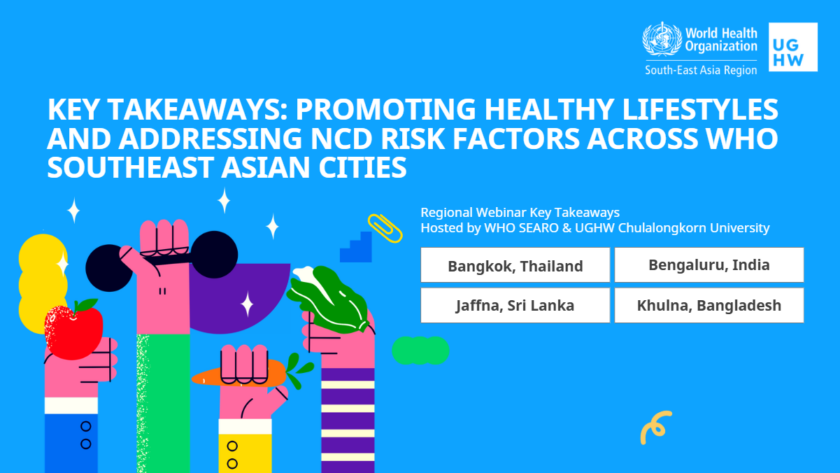
Key Takeaways: Promoting Healthy Lifestyles and Addressing NCD Risk Factors across WHO Southeast Asian Cities

Regional Webinar Key Takeaways | Hosted by WHO SEARO & UGHW Chulalongkorn University Overview: A Regional Call to Action Non-communicable diseases (NCDs) remain the leading cause of mortality in the South-East Asia Region, accounting for nearly 70% of all deaths. Addressing the behavioral and environmental risk factors, including tobacco use, physical inactivity, and unhealthy diets,…
Read More

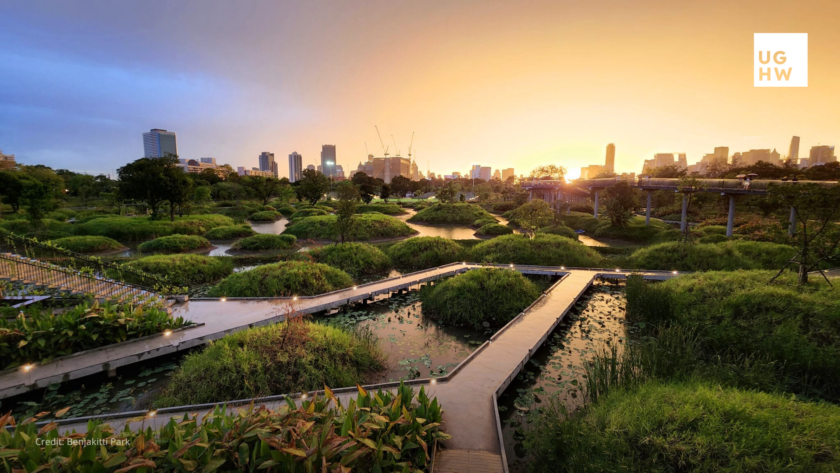
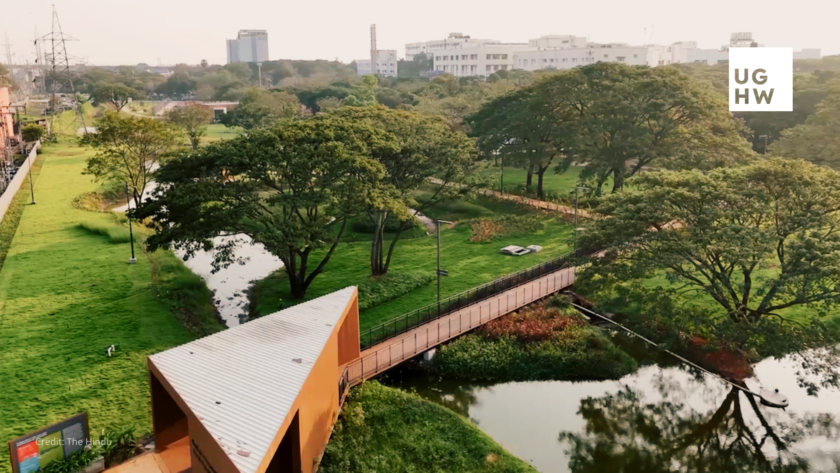
Benjakitti Park in Bangkok designed as urban flood infrastructure with wetlands, retention basins and elevated boardwalks

Bangkok Turned a Former Tobacco Factory into Urban Flood Infrastructure

Bangkok urban water infrastructure is evolving beyond concrete drainage systems. At Benjakitti Park, a former tobacco factory has been transformed into one of the city’s most significant nature-based water management landscapes. Designed under the concept of “Water + Forest,” the 259-rai forest zone (within the larger 450-rai Benjakitti development) was never intended to be just…

Read More

Skyscrapers connected by digital network icons representing 5G and smart technologies, symbolizing people-centred smart city development in the WHO-SEARO region.

People-Centred Smart Cities: Key insights from WHO-SEARO Healthy Cities Network

Rapid digitalization in the world has propelled national and subnational authorities to accelerate the use of digital technologies to enhance service provision, people participation, and monitoring performances/feedback. Local urban governments are on the forefront to respond to the needs of the people living in cities.  However, success in responding to climate changes and other challenges…

Read More

สรุปประเด็นสำคัญจากงานสัมมนาออนไลน์ | 2 ก.ย. 68

การสัมมนาออนไลน์ เรื่อง การเสริมสร้างความยืดหยุ่นและเตรียมพร้อมด้านสาธารณสุขในเมือง เพื่อรับมือกับการเปลี่ยนแปลงสภาพภูมิอากาศ (Webinar on Building Urban Health Resilience and Preparedness for Public Health Emergencies in response to Climate Change) | 2 กันยายน 2568 คลิกเพื่อรับชมวิดีโอย้อนหลัง บทนำ ดร.สุวจี กู๊ด ที่ปรึกษาด้านปัจจัยทางสังคมที่มีผลต่อสุขภาพและความเป็นอยู่ที่ดีของเมือง องค์การอานามัยโลกภูมิภาคเอเชียตะวันออกเฉียงใต้ (WHO-SEARO) กล่าวเปิดงานโดยเน้นย้ำถึงความสำคัญของความยืดหยุ่นของเมืองในการเผชิญกับความท้าทายใหม่ ๆ จากการเปลี่ยนแปลงสภาพภูมิอากาศ วัตถุประสงค์ของงานนี้คือ เพื่อให้นายกเทศมนตรีและเจ้าหน้าที่ระดับเมืองมีความรู้ความเข้าใจเกี่ยวกับความยืดหยุ่นด้านสุขภาพในเมืองและการเตรียมพร้อมรับมือภาวะฉุกเฉินด้านสาธารณสุขอันเนื่องมาจากการเปลี่ยนแปลงสภาพภูมิอากาศ เพื่อให้เมืองต่าง ๆ ในภูมิภาคเอเชียใต้และเอเชียตะวันออกสามารถปรับตัวและเตรียมพร้อมรับมือกับความท้าทายต่าง ๆ ได้ดียิ่งขึ้น การเปลี่ยนแปลงสภาพภูมิอากาศและผลกระทบต่อสุขภาพในเอเชียตะวันออกเฉียงใต้: ประเด็นสำคัญสำหรับเมือง | Faustina Gomez สาระสำคัญ โรงพยาบาลและคลินิกในเขตเมืองต้อง "เตรียมพร้อมรับมือความเสี่ยงจากสภาพภูมิอากาศ" ซึ่งรวมถึงการมีระบบน้ำและสุขาภิบาลที่รองรับการเกิดน้ำท่วมได้ เมืองต่าง ๆ จำเป็นต้องมีระบบระบายน้ำที่มีประสิทธิภาพเพื่อป้องกันการแพร่ระบาดของโรคจากน้ำท่วมขัง ระบบเตือนภัยฉุกเฉิน ในชุมชนมีความสำคัญอย่างยิ่งในการเผยแพร่ข้อมูลด้านความปลอดภัยง่าย…

Read More

Key Takeaways: Building Urban Health Resilience for Climate-Driven Emergencies

Webinar on Building Urban Health Resilience and Preparedness for Public Health Emergencies in response to Climate Change | 2 September 2025 Watch the replay Introduction Dr. Suvajee Good, WHO SEARO Regional Advisor for Social Determinants of Health and Well-being, opened the session by highlighting the importance of city resilience as the world confronts new climate change…

Read More

Participatory Approach to Climate-Responsive Healthcare in Pune, India

Based on the Global Climate Risk Index, India is the seventh most vulnerable country to climate change. Its diverse climate zones, terrain and ecosystems make it particularly sensitive to climate change-induced hazards such as disasters, epidemics, crop failures, loss of livelihoods and biodiversity, poverty and displacement, among other dangers. An analysis by the Council on…

Read More