

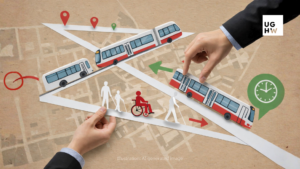
Different Paths, Same Goal: How Governments Enable Disability Inclusion through Tech
Cities around the world are rapidly digitalising. Transport systems are becoming smarter, public services are moving online, and artificial intelligence is increasingly embedded in urban life. For persons with disabilities, these shifts can either remove long-standing barriers—or create new forms of exclusion if accessibility is overlooked. Disability-inclusive technology has therefore
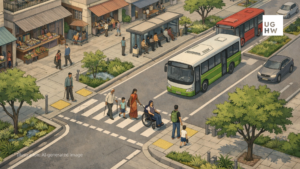
Inclusive and Universal Design for Healthy Cities
Inclusive and universal design are essential approaches for creating healthy cities that celebrate human diversity, ability, age, and lived experience. Our societies are composed of diverse persons, each unique with distinct identities and perspectives. As we design our cities, it is therefore essential to ask: Who are we designing for? Urban
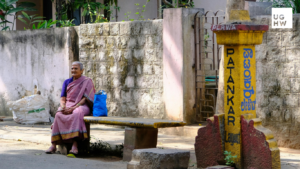
She RISES Framework: Creating Safer, Gender-responsive Cities
In 2016, WHO Member States endorsed the Global plan of action to strengthen the role of the health system within a national multisectoral response to address interpersonal violence, in particular against women and girls, and against children. As UGHW renews our commitment during the 16 Days of Activism against Gender-Based
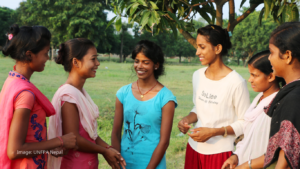
How Gender-Responsive Public Spaces Are Transforming Nepal’s Cities for Women
Why do gender-responsive public spaces matter? Nepal’s cities are seeing brisk changes, with new climate hazards and rapid urbanisation. These shifts have placed considerable strain on existing infrastructure, alongside growing concerns about accessibility for vulnerable populations. Gender-responsive public spaces play a critical role in ensuring that urban growth supports the
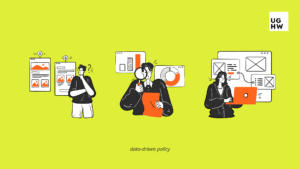
How Data Can Improve Your City’s Health
For governments looking to formulate and implement good policy, data is paramount. Data helps us to identify what the issues are, why they exist (or what is causing them) and who are being affected. Without evidence, we are often unable to accurately define an issue. When we formulate solutions, data
Finding Your City’s Entry Point for Urban Health Action
Urban health can feel overwhelming—but you don’t need a complete strategy to start. You need the right entry point. This guide helps city practitioners identify opportunities already present in your city and turn them into real health impact What is an Entry Point? According to Taking a strategic approach to
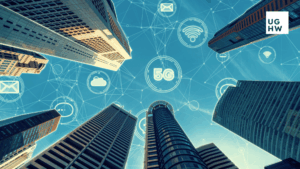
People-Centred Smart Cities: Key insights from WHO-SEARO Healthy Cities Network
Rapid digitalization in the world has propelled national and subnational authorities to accelerate the use of digital technologies to enhance service provision, people participation, and monitoring performances/feedback. Local urban governments are on the forefront to respond to the needs of the people living in cities. However, success in responding to
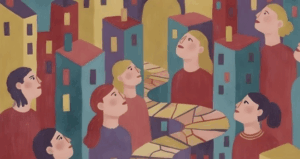
How to Design Cities for Youth Mental Health and Well-being
The Urban Challenge: Why Cities Matter for Youth Mental Health Urbanization stands as the most significant demographic shift of our times. Cities across South and South-East Asia provide access to education, health care, and economic opportunity — yet they also pose risks to mental well-being, especially among young people. Globally,

From Pandemic to Present: Why Mental Health Demands Urgent Action
Every day, millions of people struggle silently with their mental health. For some, it means living with constant anxiety; for others, it is the weight of depression that makes daily life difficult. While already significant before 2020, the COVID-19 pandemic has further worsened these challenges. Why Mental Health is Worsening
How to Communicate Climate Change as a Health Issue
Climate change is often framed as an environmental crisis, but it is equally — and urgently — a health crisis. Rising heatwaves, worsening air pollution, food insecurity, and the spread of infectious diseases already threaten communities worldwide. For health professionals and communicators, this is both a challenge and an opportunity:
สรุปประเด็นสำคัญจากงานสัมมนาออนไลน์ | 2 ก.ย. 68
การสัมมนาออนไลน์ เรื่อง การเสริมสร้างความยืดหยุ่นและเตรียมพร้อมด้านสาธารณสุขในเมือง เพื่อรับมือกับการเปลี่ยนแปลงสภาพภูมิอากาศ (Webinar on Building Urban Health Resilience and Preparedness for Public Health Emergencies in response to Climate Change) | 2 กันยายน 2568 บทนำ ดร.สุวจี กู๊ด ที่ปรึกษาด้านปัจจัยทางสังคมที่มีผลต่อสุขภาพและความเป็นอยู่ที่ดีของเมือง องค์การอานามัยโลกภูมิภาคเอเชียตะวันออกเฉียงใต้ (WHO-SEARO) กล่าวเปิดงานโดยเน้นย้ำถึงความสำคัญของความยืดหยุ่นของเมืองในการเผชิญกับความท้าทายใหม่ ๆ จากการเปลี่ยนแปลงสภาพภูมิอากาศ วัตถุประสงค์ของงานนี้คือ เพื่อให้นายกเทศมนตรีและเจ้าหน้าที่ระดับเมืองมีความรู้ความเข้าใจเกี่ยวกับความยืดหยุ่นด้านสุขภาพในเมืองและการเตรียมพร้อมรับมือภาวะฉุกเฉินด้านสาธารณสุขอันเนื่องมาจากการเปลี่ยนแปลงสภาพภูมิอากาศ เพื่อให้เมืองต่าง ๆ ในภูมิภาคเอเชียใต้และเอเชียตะวันออกสามารถปรับตัวและเตรียมพร้อมรับมือกับความท้าทายต่าง ๆ ได้ดียิ่งขึ้น การเปลี่ยนแปลงสภาพภูมิอากาศและผลกระทบต่อสุขภาพในเอเชียตะวันออกเฉียงใต้: ประเด็นสำคัญสำหรับเมือง | Faustina Gomez สาระสำคัญ Faustina Gomez เน้นย้ำถึงความสำคัญของการสร้างความยืดหยุ่นให้กับระบบสาธารณสุขเมื่อเผชิญกับภัยพิบัติจากสภาพภูมิอากาศ

Streets for People—Are We Getting it Right?
The Big Idea: When Climate Solutions Meet Urban Reality Imagine this, busy streets are transformed into quiet walkways with trees, and children can play and neighbors socialize. It is fresh and clean in the air. Cafes are built outside and cars no longer park in the same area, bikers pass
Key Takeaways: Building Urban Health Resilience for Climate-Driven Emergencies
Webinar on Building Urban Health Resilience and Preparedness for Public Health Emergencies in response to Climate Change | 2 September 2025 Introduction Dr. Suvajee Good, WHO SEARO Regional Advisor for Social Determinants of Health and Well-being, opened the session by highlighting the importance of city resilience as the world confronts
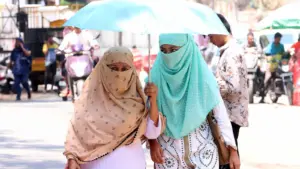
Participatory Approach to Climate-Responsive Healthcare in Pune, India
Based on the Global Climate Risk Index, India is the seventh most vulnerable country to climate change. Its diverse climate zones, terrain and ecosystems make it particularly sensitive to climate change-induced hazards such as disasters, epidemics, crop failures, loss of livelihoods and biodiversity, poverty and displacement, among other dangers. An

Innovation for Emergency Rapid Response in Bangkok, Thailand
Bangkok faces a perfect storm of urban challenges that threaten public health and strain emergency services. As one of the world’s rapidly developing megacities with over 10 million residents, the Thai capital grapples with extreme heat, frequent flooding, and notorious traffic congestion that can mean the difference between life and