Skip to content Skip to sidebar Skip to footer
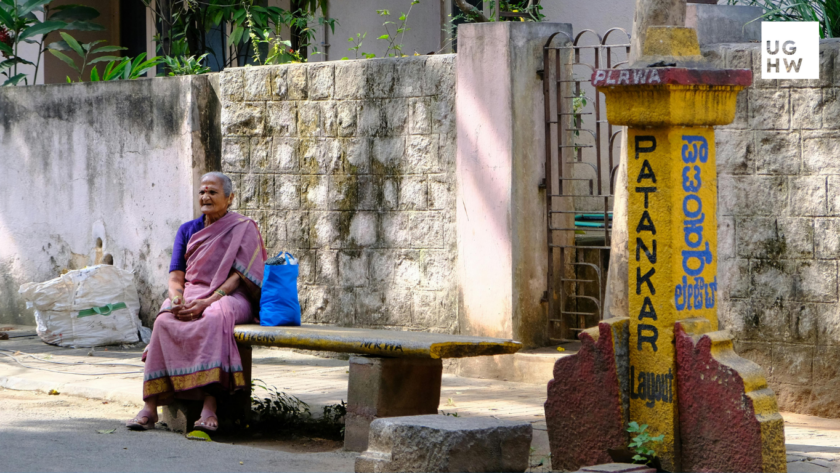
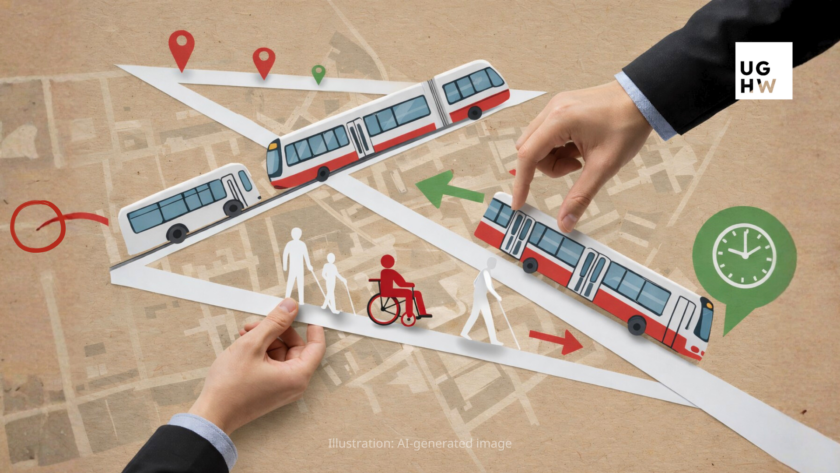
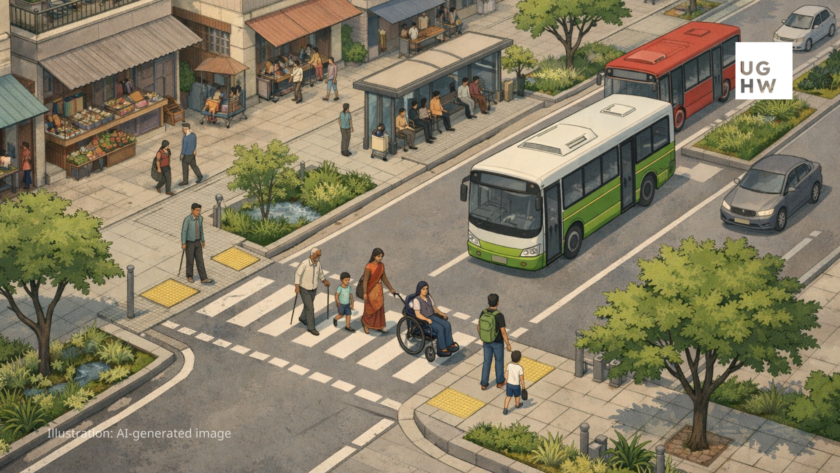
Illustration of government-led urban transport planning showing inclusive mobility, with public transit, pedestrians, a wheelchair user, and a person using a white cane sharing the same pathway.

Different Paths, Same Goal: How Governments Enable Disability Inclusion through Tech

Cities around the world are rapidly digitalising. Transport systems are becoming smarter, public services are moving online, and artificial intelligence is increasingly embedded in urban life. For persons with disabilities, these shifts can either remove long-standing barriers—or create new forms of exclusion if accessibility is overlooked. Disability-inclusive technology has therefore become a critical issue for…
Read More

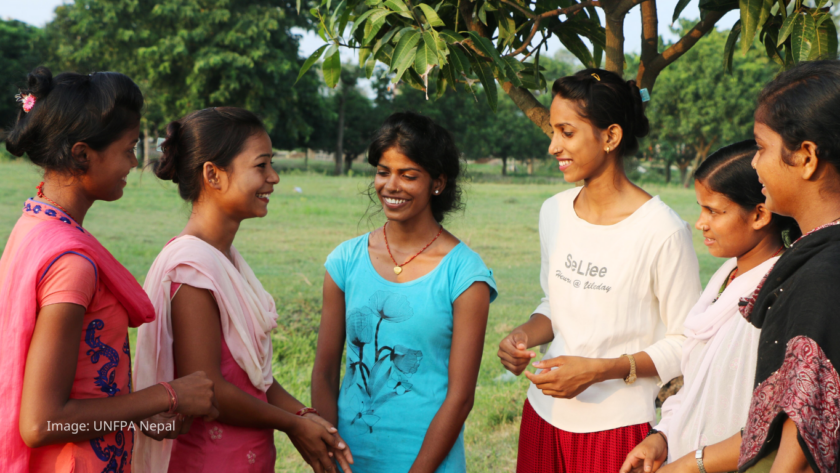
Women and community members using an inclusive public park in Nepal designed with gender-responsive features

How Gender-Responsive Public Spaces Are Transforming Nepal’s Cities for Women

Why do gender-responsive public spaces matter? Nepal's cities are seeing brisk changes, with new climate hazards and rapid urbanisation. These shifts have placed considerable strain on existing infrastructure, alongside growing concerns about accessibility for vulnerable populations. Gender-responsive public spaces play a critical role in ensuring that urban growth supports the safety, health, and daily mobility…

Read More

Skyscrapers connected by digital network icons representing 5G and smart technologies, symbolizing people-centred smart city development in the WHO-SEARO region.

People-Centred Smart Cities: Key insights from WHO-SEARO Healthy Cities Network

Rapid digitalization in the world has propelled national and subnational authorities to accelerate the use of digital technologies to enhance service provision, people participation, and monitoring performances/feedback. Local urban governments are on the forefront to respond to the needs of the people living in cities.  However, success in responding to climate changes and other challenges…

Read More

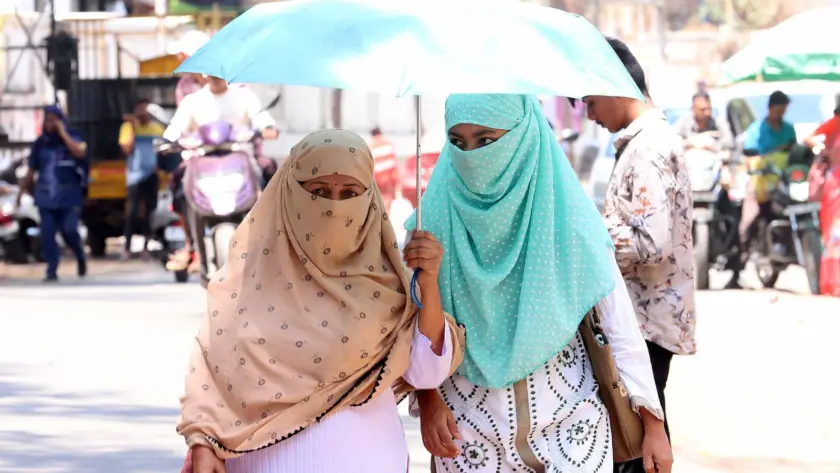
Participatory Approach to Climate-Responsive Healthcare in Pune, India

Based on the Global Climate Risk Index, India is the seventh most vulnerable country to climate change. Its diverse climate zones, terrain and ecosystems make it particularly sensitive to climate change-induced hazards such as disasters, epidemics, crop failures, loss of livelihoods and biodiversity, poverty and displacement, among other dangers. An analysis by the Council on…

Read More