For governments looking to formulate and implement good policy, data is paramount.
Data helps us to identify what the issues are, why they exist (or what is causing them) and who are being affected. Without evidence, we are often unable to accurately define an issue.
When we formulate solutions, data further supports in showing where the issues affect, how big the problem is, and, if recurring, when they occur.
We need data to understand the problems we are trying to solve. By collecting and examining evidence, we can better allocate resources in an efficient and effective manner.
Strengthening Systems with Disaggregated Data
Disaggregated data (i.e. data including details of different sexes, ages, localities etc) is essential for strategic planning. It informs us that elderly and children face different challenges in the healthcare system, or that women experience a different sense of safety than men.
Knowing these complexities helps us design our cities better. By understanding how various social identities affect peoples’ lives, we can shape our policies to care for all who live in our society. In this way, data supports our adoption of an intersectional approach that is inclusive and holistic.
Data also strengthens resilience by enabling quicker response. For instance, Bangkok’s Risk Maps – maps open to public access – identifies areas affected by disasters and diseases. The community is thus able to locate the incidence of issues in real time and respond accordingly. Similarly, the government is able to promptly target initiatives to specific neighbourhoods in need.

Figure 1: BKK Risk Map
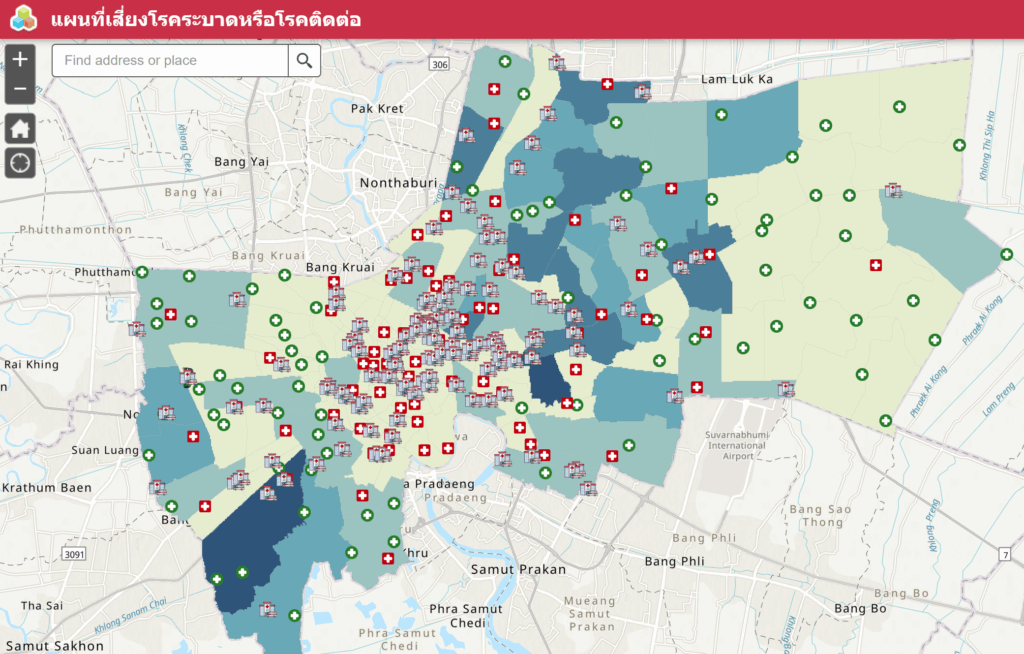
Figure2: BKK Risk Map Highlighting Disaster and Disease Hotspots
Supporting Those Who Need It Most
Data helps us identify who is most affected – whether it is by disease, disaster, or other challenges. Member cities in the WHO Regional Healthy City Network for SEAR undergo a self-assessment on the amount of support given to different populations, including migrants, persons with disabilities and the homeless. This is an important exercise in policy making – to consider how persons are differently impacted and to work towards equity for all.
This is underpinned by the promise of the 2030 Agenda for Sustainable Development and its Sustainable Development Goals: To Leave No One Behind (LNOB).
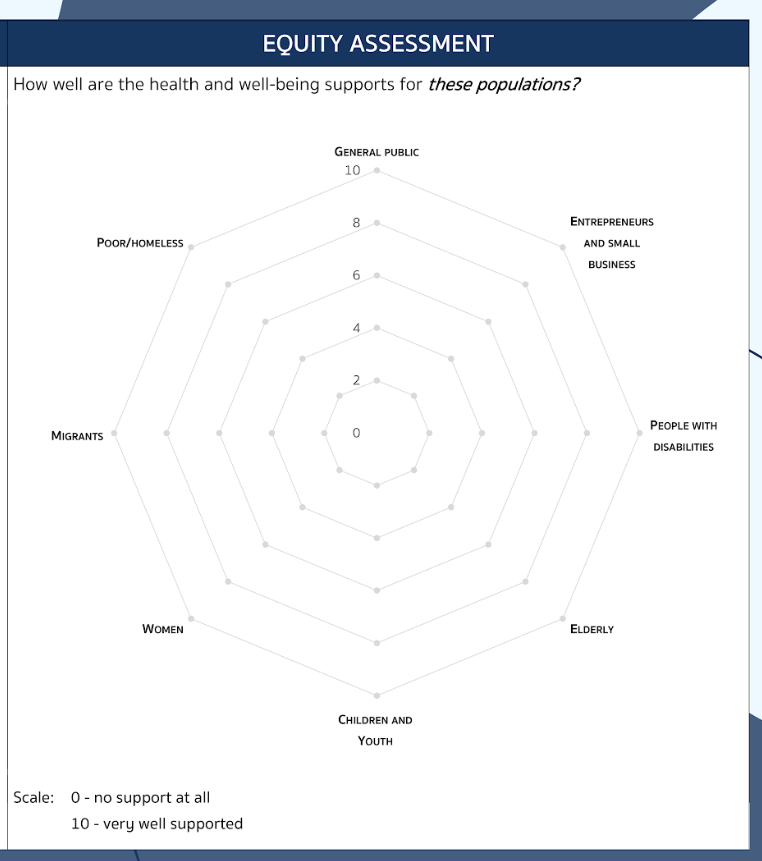
Figure 3: Self-assessment for member cities of the WHO Regional Healthy City Network
With limited resources, governments need to prioritise those who need it most. Besides identifying the most vulnerable, data also serves to deepen our knowledge of the scale and risk of challenges; resources can thus be strategically allocated.
Multi-Sectoral Partnerships and Community Engagement
Governments play a key role in managing data collection and sharing. Partnerships inter and intra agency are essential to the process, while ensuring that safeguards are in place for data protection. Stakeholders such as universities, NGOs and private sector also play an important role in contributing to the ecosystem. Governments can explore innovative means of collaboration to jointly support communities.
Community engagement is instrumental in the policy process and conversation. Besides qualitative data, it is an invaluable platform to deepen societal awareness. In turn, with strengthened mutual understanding, policies will be more effectively received and implemented.
Accessibility of data is an important part of the equation. Access to information raises awareness and public engagement. It also serves to improve transparency and fosters public innovation. Good governments should aspire to make information as accessible as possible to the public at large.
It is no mean feat to establish a robust data infrastructure. It requires much political will, investment and capacity building. However, it has time and again been demonstrated that good data supports good policy-making. By investing in data, we are investing in our own future.
Foo Jia Xin, General Manager
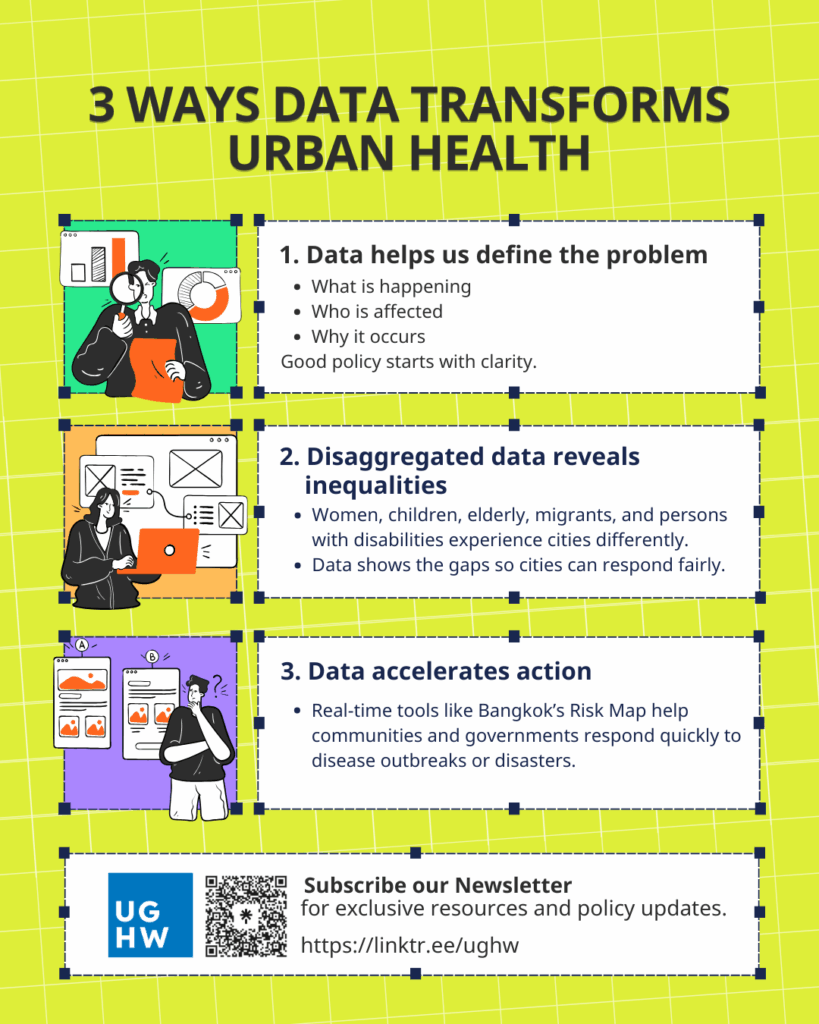
Figure 4: 3 ways data transforms urban health