Why Community Sports and Recreation Matter for Persons with Disabilities
Community sports and recreation is often seen as optional and not prioritised in health initiatives for the disabled. Yet evidence from the World Health Organization (WHO) tells a different story: physical activity is a cornerstone of health, wellbeing, and social participation for persons with disabilities.
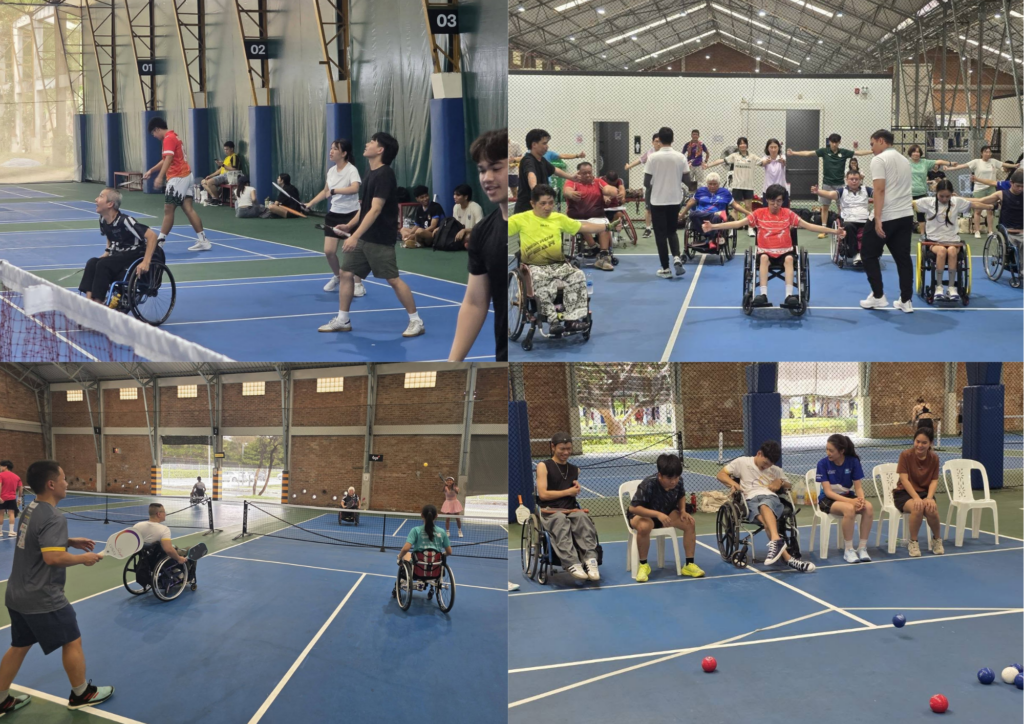
From informal play in neighbourhood spaces to organized community sports, inclusive physical activity helps people of all abilities move, connect, and belong—making communities healthier and more equitable.
Physical Activity Beyond Exercise
WHO defines physical activity broadly. It includes play, games, sports, and recreational activities, as well as walking, wheeling, and other forms of movement that take place in everyday community settings.
For persons with disabilities, community-based forms of physical activity are often the most accessible and sustainable, especially when specialized facilities or equipment may be limited. When designed inclusively, community recreation allows people to participate according to their abilities, preferences, and life contexts.
Why Inclusive Physical Activity Matters for Persons with Disabilities
WHO guidelines confirm that people living with disabilities experience substantial health benefits from regular physical activity. Evidence shows improvements in:
- Physical function and mobility
- Mental health and wellbeing
- Cognitive function
- Health-related quality of life
These benefits have been observed across a wide range of conditions, including spinal cord injury, stroke, Parkinson’s disease, intellectual disability, and depression.
Importantly, WHO emphasizes that doing some physical activity is better than doing none. Even small amounts of movement can bring meaningful health gains.
How Much Physical Activity is Recommended?
WHO provides clear, evidence-based recommendations:
- Adults living with disabilities should aim for 150–300 minutes of moderate-intensity physical activity per week, or an equivalent combination of moderate and vigorous activity, for substantial health benefits.
- Children and adolescents living with disabilities should aim for at least 60 minutes per day of moderate- to vigorous-intensity physical activity.
These recommendations can be achieved through everyday community activities—such as inclusive sports, play, and recreational programmes—rather than structured exercise alone.
Why Community Sports and Recreation are Essential
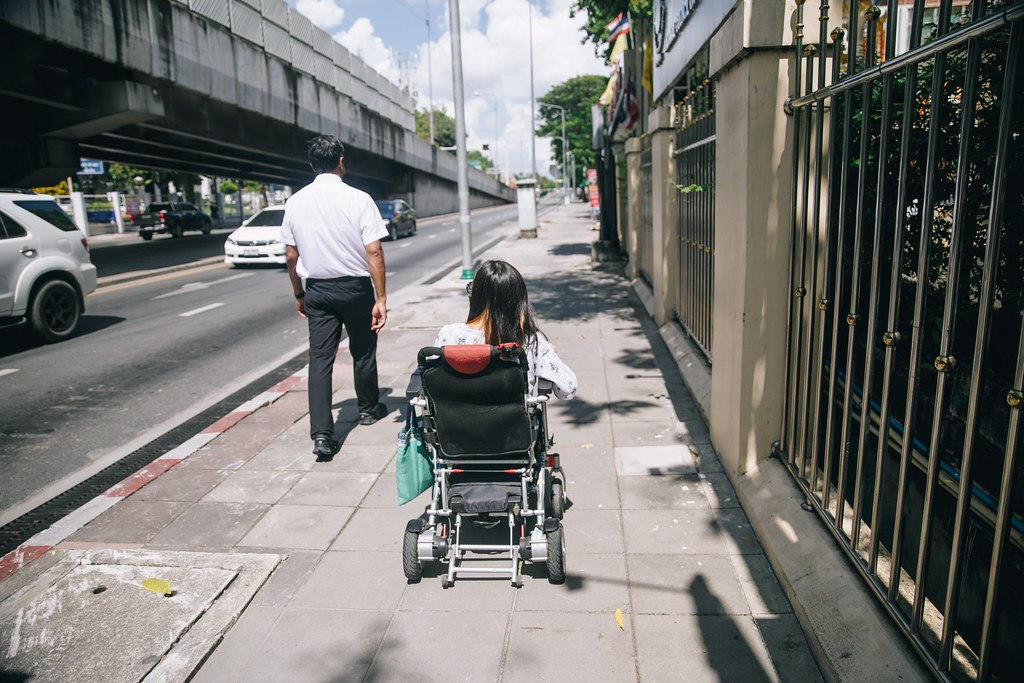
Despite clear benefits, people with disabilities are less likely to participate in physical activity than those without disabilities. WHO identifies multiple barriers, including inaccessible environments, limited choices of activities, and social attitudes.
Community sports and recreation play a critical role in addressing these barriers. By creating supportive environments, communities enable participation on an equal basis with others. This shift focuses not on changing individuals, but on adapting spaces, programmes, and attitudes to include everyone.
Physical Activity as a Pathway to Equity
Equity is a core principle of WHO’s physical activity guidelines. During global consultations, 76% of respondents agreed that implementing the guidelines can help reduce health inequities by expanding opportunities for people with disabilities to be physically active.
This equity impact comes from how physical activity is implemented. Inclusive design—such as accessible facilities, adaptable programmes, and trained staff—removes barriers that prevent participation. These approaches benefit not only persons with disabilities, but also older adults, children, and other population groups.
By embedding inclusive physical activity into community sports and recreation, cities can improve health outcomes while advancing broader goals of inclusion, participation, and social cohesion.
What Communities and Local Governments Can Do
WHO emphasizes that increasing physical activity requires action beyond the health sector. Local governments, community organizations, and civil society all play a role in creating environments that enable movement and participation.
Key actions include:
- Designing accessible public spaces for play and recreation
- Supporting inclusive community sports programmes
- Building partnerships across sectors, including health, education, and urban planning
- Encouraging low-cost, community-led initiatives that respond to local needs
These actions are feasible even in low-resource settings and can generate long-term health and social benefits.
Rethinking Physical Activity in Community Life
WHO guidelines affirm that physical activity is recommended for people of all abilities and should be integrated into everyday community life.
When communities view sports, play, and recreation as essential components of inclusive physical activity, they move closer to a simple but powerful goal: ensuring that everyone has the opportunity to move, participate, and belong. These everyday opportunities to move, play, and connect can make a lasting difference in people’s lives.