Skip to content Skip to sidebar Skip to footer

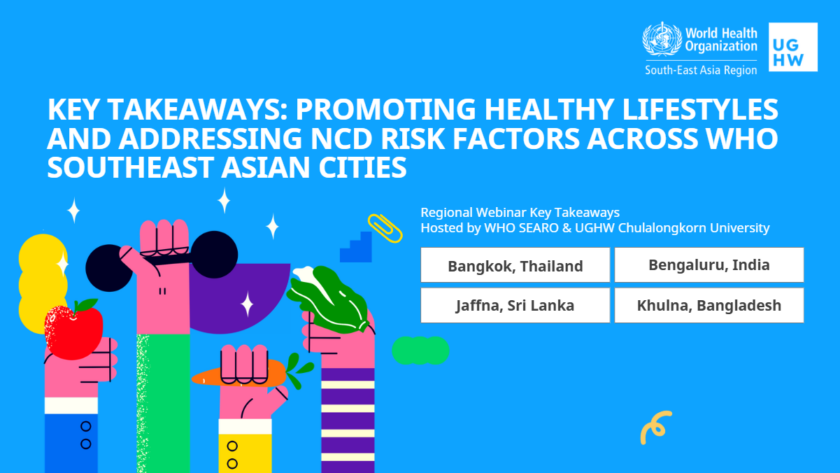
Key Takeaways: Promoting Healthy Lifestyles and Addressing NCD Risk Factors across WHO Southeast Asian Cities

Regional Webinar Key Takeaways | Hosted by WHO SEARO & UGHW Chulalongkorn University Overview: A Regional Call to Action Non-communicable diseases (NCDs) remain the leading cause of mortality in the South-East Asia Region, accounting for nearly 70% of all deaths. Addressing the behavioral and environmental risk factors, including tobacco use, physical inactivity, and unhealthy diets,…
Read More

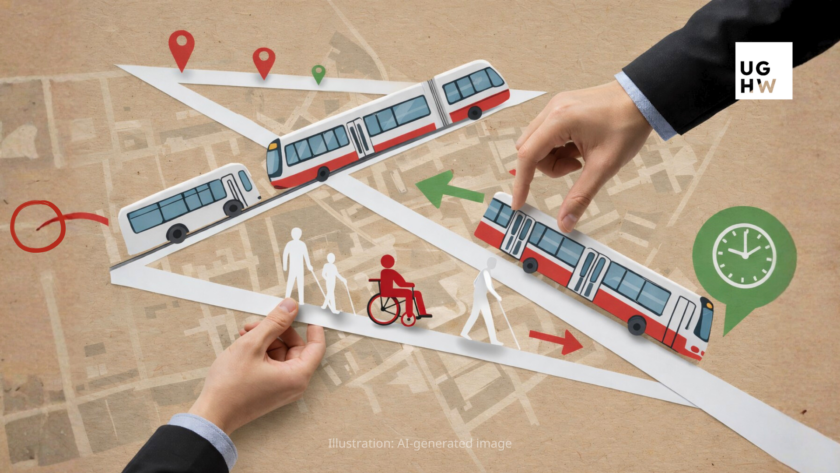
Illustration of government-led urban transport planning showing inclusive mobility, with public transit, pedestrians, a wheelchair user, and a person using a white cane sharing the same pathway.

Different Paths, Same Goal: How Governments Enable Disability Inclusion through Tech

Cities around the world are rapidly digitalising. Transport systems are becoming smarter, public services are moving online, and artificial intelligence is increasingly embedded in urban life. For persons with disabilities, these shifts can either remove long-standing barriers—or create new forms of exclusion if accessibility is overlooked. Disability-inclusive technology has therefore become a critical issue for…

Read More

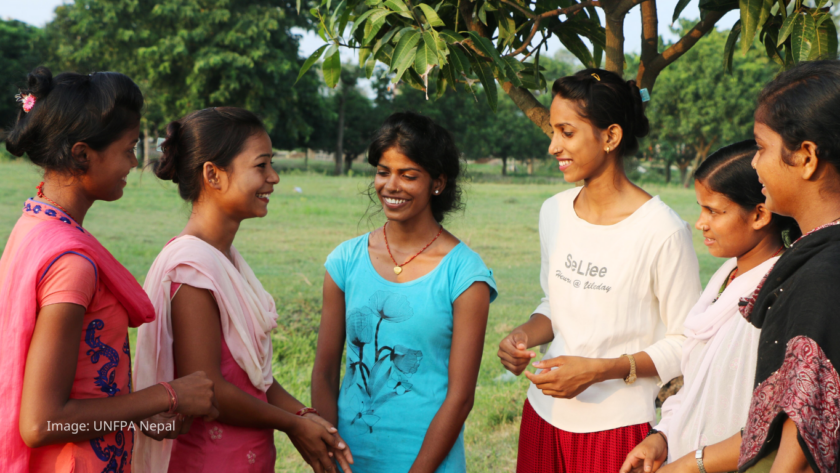
Women and community members using an inclusive public park in Nepal designed with gender-responsive features

How Gender-Responsive Public Spaces Are Transforming Nepal’s Cities for Women

Why do gender-responsive public spaces matter? Nepal's cities are seeing brisk changes, with new climate hazards and rapid urbanisation. These shifts have placed considerable strain on existing infrastructure, alongside growing concerns about accessibility for vulnerable populations. Gender-responsive public spaces play a critical role in ensuring that urban growth supports the safety, health, and daily mobility…

Read More